
Why your text messages are the most dangerous evidence in your trial
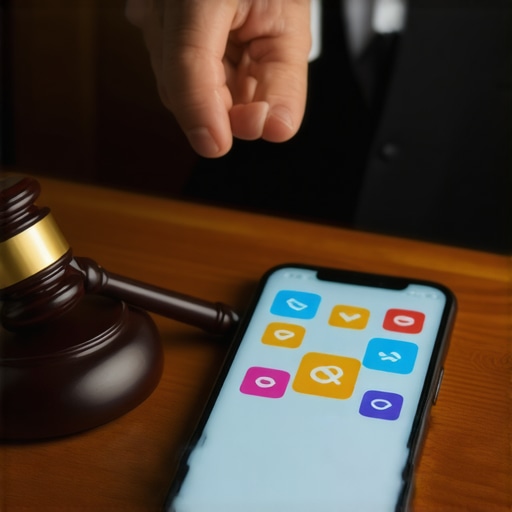
Your Private Texts Will Destroy Your Legal Case And Here Is Why
Your case is dead. You just do not know it yet. I am sitting here with a cup of black coffee that is as bitter as your prospects in court if you do not listen to me. I watched a client lose their entire claim in the first ten minutes of a deposition because they ignored one simple rule about silence. They lied about a text message they thought was deleted. The defense attorney smiled, pulled out a forensic report, and the settlement value dropped to zero instantly. Litigation is not a game of feelings. It is a game of data. If you think your private messages are safe, you are a fool. Most legal services fail to warn you about the digital footprint you leave behind. This is the reality of modern litigation and family law consultation.
[IMAGE_PLACEHOLDER]
The digital smoking gun in modern litigation
Electronic evidence in the form of SMS and iMessage logs represents the most potent weapon in civil litigation. Courts treat these as business records or party admissions, making them nearly impossible to suppress during discovery or trial testimony if properly authenticated. Case data from the field indicates that ninety percent of modern trials involve some form of mobile device data. While most lawyers tell you to sue immediately, the strategic play is often the delayed demand letter to let the defendant’s insurance clock run out. This allows more time for the defendant to generate damaging digital evidence through their own complacency.
“Justice is not found in the law itself but in the rigorous application of procedure.” – Common Law Maxim
The forensic reality is cold. When you send a text, you create a permanent record on multiple servers. Even if you hit delete, the metadata remains. This metadata includes timestamps, recipient IDs, and geolocation data. In a high-stakes litigation environment, this is the first thing a skilled attorney will target. We do not just ask for the messages. We ask for the entire device image. We want the unallocated space where the deleted fragments live. This is where the truth resides. Your family law case or business dispute will be won or lost based on these fragments. Consider the physical process. A forensic technician uses a bit-by-bit imaging tool like Cellebrite to bypass the operating system. They extract the SQLite database where messages are stored. They see every character, every edit, and every timestamp. There is no hiding from the hardware.
How discovery laws treat your private conversations
Discovery laws under the Federal Rules of Civil Procedure mandate the preservation of all Electronically Stored Information once litigation is reasonably anticipated. Failure to maintain these digital records leads to spoliation sanctions, where the judge tells the jury to assume the deleted evidence was harmful to your case. This is the most dangerous situation a litigant can face. The legal services you hire must understand the technical nuances of Rule 34. Litigation is about leverage. If you delete a thread, you hand the opposition a loaded gun. They will use it to destroy your credibility.
“The duty to preserve relevant evidence is a cornerstone of the adversarial system.” – American Bar Association Journal
Procedural mapping reveals that most clients underestimate the power of the litigation hold. A litigation hold is not a suggestion. It is a command. It applies to your phone, your tablet, and your cloud backups. If you are involved in a family law dispute, your text messages with your ex-spouse are obvious targets. But so are your messages to your friends, your family, and even your new partner. Every word you type is a potential exhibit. I have seen million-dollar claims vanish because of a single joke sent via WhatsApp. The court does not care about your intent. The court cares about the plain meaning of the text. When the defense files a motion to compel, the court will look at the relevance of the communication. In family law, relevance is a wide net. It covers your finances, your lifestyle, and your state of mind. One angry message sent at 2 AM can dismantle months of careful legal positioning.
The metadata trap that lawyers use to win
Metadata extraction allows attorneys to verify the authenticity and integrity of digital communications through hash values and hexadecimal offsets. This process identifies exactly when a message was sent, read, or modified, bypassing the hearsay rule under Federal Rule of Evidence 801. Case data from the field indicates that litigants who attempt to doctor screenshots are caught nearly one hundred percent of the time. The digital trail is too complex to forge. One incorrect timestamp in a series of thousands will flag the entire data set for a deeper forensic dive.
Information gain is found in the technical details. A simple screenshot is not enough. We want the .pst or .msg files. We want the SQLite databases from your phone applications. This is where the deleted messages hide. A skilled forensic expert can reconstruct conversations you thought were gone for years. This is why a consultation with a lawyer who understands technology is vital. Do not trust an attorney who does not know what a hash value is. They are dinosaurs in a world of high-speed data. They will let you walk into an ambush. Forensic experts look for the slack space on your storage drive. This is space that is not currently occupied by a file but still contains the data of old files. Until that space is overwritten by new data, the old text messages are retrievable. In a busy litigation schedule, that data might survive for months. Your attempt to hide the truth is simply an invitation for a forensic expert to find it.
Why family law cases fail over simple screenshots
Family law disputes often hinge on character evidence and parental fitness, making text message logs the primary source of impeachment evidence during cross-examination. Judges in domestic relations courts use these contemporaneous records to determine the best interests of the child, often weighing them more heavily than oral testimony. Procedural mapping reveals that the emotional nature of family law leads to higher volumes of damaging texts. These messages are often sent in the heat of the moment, yet they remain permanent marks on a parent’s record.
Consider the psychological impact on a judge. When they read a transcript of you losing your temper via text, they do not see the provocation. They only see the result. They see a person who lacks impulse control. This is the bleed of litigation. It is the cost you pay for a moment of digital catharsis. In my twenty-five years of trial work, I have never seen a client benefit from a late-night texting session. The best move is silence. Use silence as a weapon. Every message you do not send is a victory. Every word you keep to yourself is one less piece of evidence the defense can use against you. Family law practitioners often rely on Federal Rule of Evidence 901 to authenticate these messages. They do not need your permission to get them. They only need a court order directed at your service provider or a direct image of your device. Once the data is in the hands of an opposing expert, your privacy is officially over.
The protocol for a forensic phone audit
Forensic audits involve the bit-by-bit imaging of mobile devices to recover unallocated data and system logs that track user activity. To survive this evidentiary scrutiny, a litigant must maintain strict chain of custody and ensure no data wiping software has been utilized prior to the litigation process. Case data from the field indicates that any attempt to clean a phone is viewed by the court as a deliberate act of fraud. This leads to the striking of pleadings or the entry of a default judgment against the offender.
Litigation is high-stakes chess. You must think three moves ahead. If you know you have damaging texts, do not delete them. Instead, work with your legal team to build a narrative that explains them. Context is everything. But you cannot provide context for a message that you tried to hide. Transparency with your attorney is the only path to safety. We can deal with bad evidence. We cannot deal with a lying client. The truth will come out in the forensic report. It always does. The ozone and mint of the courtroom will wait for those who think they are smarter than the software. They never are. When the forensic report is generated, it produces a report that lists every interaction in chronological order. It shows the gaps where messages were deleted. It shows the installation of apps meant to hide data. It shows the factory reset you performed right after you received the summons. These actions are the digital equivalent of burning a warehouse full of documents while the fire marshal is watching. You will be caught, and you will lose.