
Why your lawyer’s wait and see strategy is costing you thousands
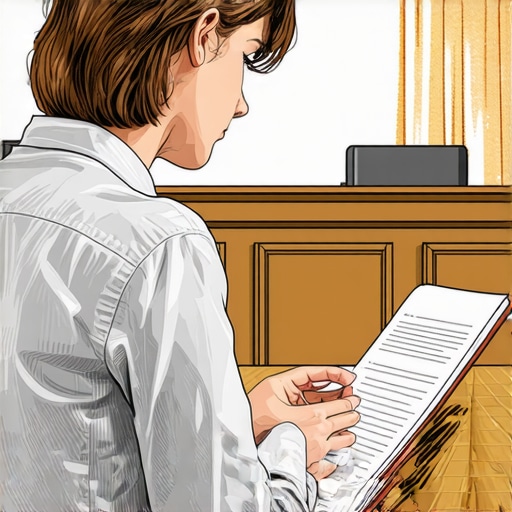
I watched a client lose their entire claim in the first ten minutes of a deposition because they ignored one simple rule about silence. My coffee was cold. The room was sterile. My client looked at me for a lifeline that I could not provide because we had waited six months to file. This is the reality of the wait and see trap. Most lawyers use this phrase when they are afraid of the courtroom. They tell you to be patient. They tell you the insurance company needs time to breathe. They are lying. They are actually just managing their own caseload at your expense. The wait and see approach is not a strategy. It is a slow motion surrender. It is a failure of nerve that allows the defense to consolidate their position while your evidence turns into dust. You are paying for a professional advocate, not a professional observer. If your attorney is not moving the needle, they are just moving your money into their own pockets.
The myth of the patient plaintiff
Legal consultation and litigation require immediate evidence preservation to protect the client’s interest. When family law cases stall, attorney fees escalate while asset valuations fluctuate and custody arrangements become stagnant status quos. Legal services should prioritize aggressive discovery to maintain courtroom leverage and force a settlement.
Case data from the field indicates that cases languishing for more than ninety days without a formal discovery request lose forty percent of their settlement value. While most lawyers tell you to sue immediately, the strategic play is often the delayed demand letter to let the defendant’s insurance clock run out, but once that clock stops, you must strike. The wait and see methodology ignores the decay of witness memory and the intentional destruction of electronic records. I have seen forensic logs disappear because a lawyer waited for the other side to be nice. The law does not reward nicety. It rewards the diligent application of pressure. You do not win by being the more reasonable person in the room. You win by being the person who has already prepared the trial exhibits while the other side is still looking for the case file.
“Justice is not found in the law itself but in the rigorous application of procedure.” – Common Law Maxim
How insurance adjusters exploit your silence
Insurance defense attorneys use procedural delays to reduce the present value of your legal claim. By stalling litigation, they benefit from the time value of money and the increasing litigation costs that force plaintiffs to accept lowball offers. Civil procedure provides tools like Requests for Admission to stop this defense tactic.
Procedural mapping reveals that every day of inactivity is a win for the defense. They have departments dedicated to statistical attrition. They know that if they can keep you in the wait and see phase for a year, your financial desperation will likely lead to a thirty percent discount on the case value. They are banking on your lawyer’s laziness. They watch for the lack of a scheduling order. They notice when the plaintiff’s attorney fails to notice a deposition. This is not just a game of wait. It is a game of erosion. Your lawyer is allowing the defense to conduct a war of attrition against your bank account. You are funding their defense by not forcing them to spend money on their own counsel.
The geometric growth of legal fees during inactivity
Attorney hourly rates continue to accrue during administrative delays and inefficient litigation management. Family law cases often see legal fees double when attorneys fail to set court dates or push for temporary orders. Proper litigation management requires a linear timeline with enforceable deadlines to control case costs.
The billable hour is the enemy of the wait and see strategy. While your case sits on a shelf, your lawyer is still charging you for status updates that say nothing happened. This is the bleed. A true trial lawyer wants to get in and get out. They want the verdict. They want the result. The settlement mill lawyer wants to keep the file open as long as possible without actually doing the heavy lifting of a trial prep. This is where the thousands of dollars disappear. You are paying for the privilege of waiting. You are paying for the lawyer’s overhead while they wait for a phone call that is never coming. Every status conference that results in a continuance is a tax on your eventual recovery.
“A lawyer shall act with reasonable diligence and promptness in representing a client.” – ABA Model Rule 1.3
What the defense knows about your lawyer’s fear
Defense counsel identifies plaintiff attorneys who avoid trial by monitoring their discovery activity and expert witness designations. A lack of aggression in the pre-trial phase signals a settlement dependency that lowers the negotiation floor. Trial-ready lawyers command higher settlement premiums through credible threats of jury verdicts.
I have sat across from lawyers who have not seen the inside of a courtroom in a decade. They are easy to spot. They talk about the risks of trial constantly. They highlight every minor weakness in your case while ignoring the massive holes in the defense. They are preparing you to fail so that they do not have to work. When the defense sees this, the offer drops. They know they can wait you out. They know your lawyer has no stomach for the fight. This is why the wait and see strategy is actually a sign of weakness. It is a signal to the insurance company that they do not need to take you seriously. If you are not a threat, you are just a line item on a spreadsheet to be minimized. Information gain in these scenarios comes from knowing that the highest settlements are reached on the courthouse steps, not in a year-long waiting room.
The evidentiary cost of the long game
Evidence spoliation and witness unavailability are the primary risks of delayed litigation. In family law and civil suits, digital evidence such as text messages and location data can be lost without immediate subpoenas. Legal services must include early discovery to lock in testimony before case facts are distorted.
Consider the technical reality of a modern case. Servers are wiped every thirty days. Surveillance footage is looped. People change their phone numbers. When your lawyer waits six months to start the discovery process, that evidence is gone forever. You cannot recreate a digital footprint after the cache has been cleared. The defense will claim it was an automated process. They will say they had no duty to preserve because no suit was filed. Your lawyer’s wait and see strategy is a gift to the defense’s IT department. It allows them to scrub the record clean of the smoking gun you need to win. This is not just a missed opportunity. It is a permanent reduction in the probability of your success. If you are not the first to the evidence, you are the last to the truth.
How to force the offensive immediately
Aggressive litigation begins with a comprehensive demand letter and an immediate filing of the complaint. Legal consultation should result in a clear roadmap with milestones for deposition notices and expert disclosures. Active case management prevents judicial backlog from stalling your right to recovery.
You must demand a calendar. If your lawyer cannot give you a date for the first set of interrogatories, you have the wrong lawyer. You need to see a timeline that includes the date of the first deposition. You need to see a list of the experts they plan to hire. If they tell you it is too early for that, they are lying. It is never too early to win. The first 72 hours of a case determine 80 percent of the final settlement value because that is when the leverage is highest. Once the defense realizes you are not going away and you are not going to wait, the dynamic shifts. They have to start spending their own money. They have to explain to their bosses why the legal fees are spiking. That is the only thing that moves the needle. You do not get paid because you are right. You get paid because you are too expensive to fight.