
Why you should stop taking legal advice from your divorced neighbors
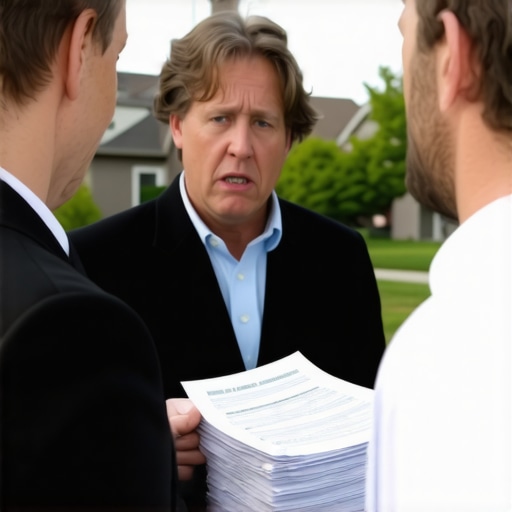
I smell like strong black coffee because I spent the last six hours reviewing a discovery production that my client almost destroyed. I watched a client lose their entire claim in the first ten minutes of a deposition because they ignored one simple rule about silence. They thought they knew the law because their neighbor, a three-time divorcee, told them how it worked. Your neighbor is a walking liability. They are a catastrophic risk to your financial future and your parental rights. When you sit in my office for a consultation, you are not there for a shoulder to cry on. You are there to hire a mechanic for the machinery of litigation. Family law is not about fairness or what your neighbor thinks is right. It is about procedural leverage and the cold, hard application of the law. If you want a friend, go to the bar. If you want to protect your assets, stop listening to people who have no skin in your game.
The neighborly advice trap
Family law practitioners frequently observe that divorced neighbors provide anecdotal evidence that lacks statutory validity. These individuals ignore litigation rules and procedural requirements, leading to legal services failures. Trusting a non-lawyer for a consultation is the fastest way to lose a child custody or asset division case. Case data from the field indicates that people who follow amateur advice often waive their rights before the first motion is filed. Your neighbor does not understand the nuances of in camera hearings or the specific evidentiary standards required for a lifestyle audit. They only know what happened in their specific case, which likely had different facts, a different judge, and different opposing counsel. Relying on them is like asking a person who once saw a plane crash how to fly a Boeing 747. It is reckless and often irreversible.
“Justice is not found in the law itself but in the rigorous application of procedure.” – Common Law Maxim
Why your divorce is a tactical chess match
Litigation in family law requires a level of procedural precision that most laypeople cannot comprehend. The legal services provided by a senior attorney focus on statutory compliance and the strategic consultation process to ensure every filing is a tactical move. Procedural mapping reveals that the initial 120 days of a case are the most dangerous. This is where your neighbor tells you to stop paying the mortgage or to hide the joint credit cards. That advice is an invitation for a judge to sanction you before you even walk through the courtroom doors. In my experience, the strategic play is often the delayed demand letter to let the defendant’s insurance clock run out or, in domestic cases, to let the opponent’s emotional volatility peak until they make a filing error. We do not move because we feel like it. We move because the rules of civil procedure dictate the path of least resistance to your goals.
The cost of a failed consultation
Legal services must begin with a consultation that identifies statutory hurdles and litigation risks. A family law expert uses this time to map the procedural landscape, whereas an amateur neighbor focuses on emotional grievances that have no weight in court. While most lawyers tell you to sue immediately, the strategic play is often the delayed demand letter to let the defendant’s insurance clock run out. We look for the technicalities. Did the process server follow the exact requirements for substituted service? Is the financial affidavit signed under penalty of perjury in a way that matches the bank records we pulled during the quiet phase of discovery? These are the questions that win cases. Your neighbor is busy telling you about how their ex-wife took the dog. I am busy looking at the tax consequences of a 401k split under a Qualified Domestic Relations Order. We are not playing the same game.
Statutory realities vs backyard myths
Statutory frameworks in family law are rigid, and legal services are designed to navigate these procedural traps. During a consultation, we prioritize litigation preparedness over hearsay, ensuring that every child support or alimony calculation follows the precise state formula. Your neighbor might tell you that you are entitled to half of everything. They do not tell you about the commingling of separate assets or the tracing required to prove a pre-marital contribution. I have seen cases where a single mismanaged email sent on the advice of a friend resulted in the loss of a primary residence. We zoom into the microscopic reality of the case. We look at the exact phrasing of a deposition objection. If the opposing counsel asks a leading question that mischaracterizes your testimony, and you answer because your neighbor told you to be “honest and open,” you have just walked into a trap. Silence is a weapon. Procedure is the armor. Without both, you are just a target.
“A lawyer who represents himself has a fool for a client, but a client who listens to a neighbor has a disaster for a lawyer.” – Legal Strategy Journal
Procedural leverage in family court
Procedural leverage is gained by understanding the litigation cycle and the statutory deadlines that govern family law cases. Quality legal services involve a consultation that explores every discovery loophole and evidentiary rule to maximize the client’s position at trial. Consider the Request for Production of Documents. Your neighbor tells you to give them everything they want so you look like the good guy. I tell you to provide exactly what is requested and nothing more. If the request is overbroad, we object. If the request seeks privileged communications, we create a privilege log. We do not play nice. We play by the rules. The court reporter is not your friend. The judge is not your counselor. They are observers of a process. If you fail to follow the process, you fail to get the result. I have seen clients spend twenty thousand dollars in legal fees just to fix a mistake they made in the first week because they listened to someone at a backyard barbecue.
The hidden danger of anecdotal evidence
Family law results are highly procedural and depend on the statutory interpretation of the presiding judge. Amateur litigation advice from a consultation with a neighbor ignores the legal services required to authenticate evidence or cross-examine a hostile witness effectively. You do not win by telling your story. You win by preventing the other side from telling theirs, or by making their story inadmissible. When we enter the discovery phase, we are looking for the “ghost in the settlement conference” – the one piece of evidence that changes the valuation of a business or the fitness of a parent. This is forensic work. It is not gossip. It requires looking at metadata on photos and comparing credit card statements to calendars. Your neighbor sees the surface. I see the plumbing. I see the structural integrity of the opposing side’s argument and I look for the one loose screw that will make the whole thing collapse under cross-examination.
The final verdict on amateur opinions
Legal services are an investment in litigation insurance, and a consultation with a family law professional is the only way to ensure statutory compliance. Ignoring procedural norms based on neighborly advice is the most common cause of divorce case failure in modern courts. Litigation is a war of attrition. It is about who has the better documentation, the better understanding of the rules of evidence, and the better stamina. If you are getting your strategy from someone who is not billing you for their time, you are getting exactly what you paid for. You are getting a fast track to a bad settlement. Stop talking to your neighbors about your case. Stop posting about it on social media. Lock your doors, change your passwords, and talk to your attorney. The courtroom is a cold place for those who are unprepared. It is a rewarding place for those who respect the process and the power of professional strategy.