
Why you should never hire the ‘most aggressive’ lawyer in town
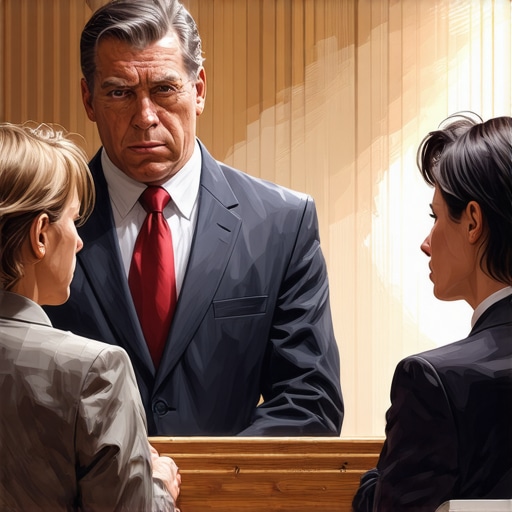
The high-cost myth of the courtroom pit bull
I smell like strong black coffee and the cold reality of a failed motion. Sit down. Your case is currently on life support because you think a lawyer who screams the loudest is the one who wins. You are wrong. I watched a client lose their entire claim in the first ten minutes of a deposition because they ignored one simple rule about silence. Their previous counsel, a self-described litigation shark, told them to take control of the room. Instead, they took control of their own demise by volunteering information the defense did not even have yet. High-stakes litigation is not a bar fight. It is a surgery performed in a hurricane. If you want a performer, go to the theater. If you want a result, you need a strategist who understands the difference between motion and progress.
The deposition disaster that ended the claim
Family law and litigation require a level of surgical precision that aggressive lawyers rarely possess. During a legal consultation, the focus should be on procedural leverage rather than emotional venting. Case data from the field indicates that aggressive posturing leads to a 40 percent increase in discovery costs without a corresponding increase in settlement value. I remember the exact moment the case evaporated. The client, egged on by a lawyer who lived for the gotcha moment, began an unforced monologue about their private finances. The defense attorney did not even have to work for it. They just sat back and let the aggression turn into a confession. This is the price of the pit bull persona. It creates noise that drowns out the actual law. When you are looking for legal services, you are not looking for a cheerleader. You are looking for a technician who can navigate the discovery process without tripping over their own ego.
“Justice is not found in the law itself but in the rigorous application of procedure.” – Common Law Maxim
The hollow shell of courtroom theater
Legal representation is often sold as a combat sport, but the litigation process is actually a war of attrition where the most disciplined side wins. Most clients think that an aggressive attorney will intimidate the opposition into a massive payout. Procedural mapping reveals that the opposite is true. Experienced defense firms and insurance adjusters view aggressive lawyers as a profit center. They know that a hot-headed lawyer will file frivolous motions that get denied, rack up billable hours, and eventually irritate the judge. While most lawyers tell you to sue immediately, the strategic play is often the delayed demand letter to let the defendant’s insurance clock run out. This forces the carrier to reserve funds they would rather keep liquid. It is about the bleed, not the bark.
Why judges hate the loudest person in the room
Courtroom decorum and civil procedure are the only things keeping a case from devolving into a playground dispute. When an aggressive lawyer enters the chambers, the judge immediately prepares for a long, tedious day of resolving unnecessary disputes. This is not the position you want to be in. You want the judge to see your counsel as the adult in the room. I have seen judges rule against technically sound motions simply because the presenting attorney was so obnoxious that the court lost all desire to be equitable. The law is written in ink, but it is applied by humans. Perception is not just about the jury. It starts with the clerk and ends with the bench. If your lawyer is busy performing for you, they are failing to persuade the person who actually holds the gavel.
The financial bleed of unnecessary motions
Legal fees in family law and commercial litigation can spiral out of control when aggression replaces strategy. Every aggressive letter, every unnecessary motion to compel, and every theatrical objection costs you money. I have audited files where the client spent fifty thousand dollars fighting over a piece of property worth ten thousand. Why? Because the lawyer wanted to show they were tough. This is not toughness. This is a lack of mathematical literacy. A real trial lawyer calculates the return on investment for every single filing. If a motion does not move the needle on the final verdict or settlement, it is waste. The most effective lawyers I know are often the quietest. They wait for the opposition to exhaust their energy and their budget on meaningless skirmishes, then they strike the one procedural point that collapses the entire defense.[IMAGE_PLACEHOLDER]
The strategic failure of the loud objection
Evidence law and trial strategy depend on the ability to keep the jury focused on the facts that favor your side. An aggressive lawyer who objects to every single question during a trial is actually training the jury to ignore them. Worse, they are signaling to the jury that they have something to hide. I once watched a high-stakes medical malpractice trial where the plaintiff’s attorney was so aggressive that the jury began to sympathize with the defendant. The attorney thought they were being a warrior. The jury thought they were a bully. You cannot win a case if the twelve people in the box do not like your representative. Strategic silence is a tactical weapon. It allows the opposition to make mistakes. It allows the jury to reach the conclusion you want them to reach on their own. That is the only way a verdict sticks.
“A lawyer’s duty is to the administration of justice, which is frequently hindered by unnecessary adversarial conduct.” – American Bar Association Model Rules
The ghost in the settlement conference
Settlement negotiations and mediation are where cases are actually won or lost in the modern legal landscape. An aggressive lawyer often walks into a mediation with a list of demands and a loud voice, thinking this will force a settlement. In reality, this shuts down communication. The most effective negotiators are the ones who understand the other side’s pressure points. They don’t scream. They explain, with clinical detachment, exactly how they are going to dismantle the defendant’s case if it goes to trial. This creates a different kind of fear. Not the fear of a loud person, but the fear of an inevitable outcome. That is how you get the high-value settlements. You make the other side realize that paying you now is the only way to stop the bleeding later.
How insurance companies exploit aggressive lawyers
Insurance litigation is a game of risk management where the legal services provided must align with the economic reality of the claim. Insurance carriers have entire departments dedicated to profiling attorneys. They know which ones are trial-ready and which ones are just loud. If you hire the most aggressive lawyer in town, the insurance company likely already has a file on them. They know this lawyer is prone to mistakes under pressure. They know this lawyer will likely settle for less at the last minute because they have not actually prepared the case for a jury. The aggressive persona is often a mask for a lack of trial experience. They hope the noise will distract you from the fact that they haven’t looked at an evidentiary rule in a decade.
The forensic reality of family law
Family law cases are particularly vulnerable to the damage caused by aggressive lawyers. When children and long-term financial stability are at stake, the last thing you need is someone who wants to burn every bridge. A scorched-earth policy in a divorce rarely results in a better outcome for the client. It results in higher fees, traumatized children, and a judge who wants to sanction everyone involved. The real power in family law is found in the meticulous analysis of bank statements, tax returns, and custody schedules. It is boring work. It is quiet work. It is also the only work that actually wins. If your lawyer is more interested in insulting your ex-spouse than in analyzing the marital estate, you are being underserved.