
The truth about mediation: When it’s better to just go to trial
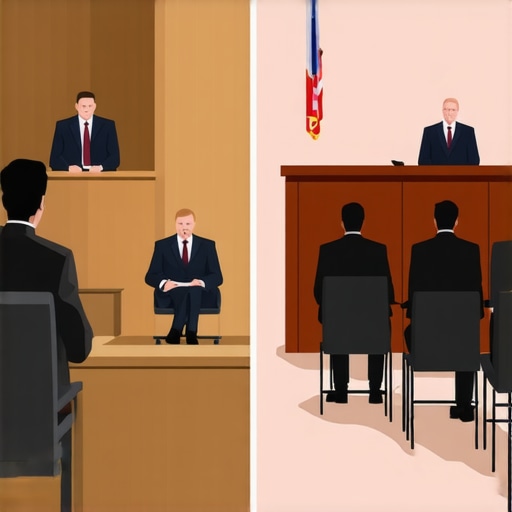
The brutal reality of the compromise machine
I watched a client lose their entire claim in the first ten minutes of a deposition because they ignored one simple rule about silence. We were sitting in a sterile conference room that smelled of burnt coffee and industrial carpet cleaner. The defense attorney, a man who had built a career on technicalities, sat across from us. My client was nervous. They felt the heavy weight of the silence after a direct question about their medical history. Instead of answering the specific query, they began to explain. They began to justify. In that moment of verbal leakage, they handed the defense a procedural knife. This is the danger of the modern legal landscape. Everyone wants to talk. Everyone wants to mediate. But in the world of high stakes litigation, your words are either armor or a target. Most legal services today are designed to be settlement mills. They want the quick exit. They want the ADR fee without the sweat of a trial. But if you are involved in a complex family law dispute or a high value commercial claim, the pressure to settle is often a trap. The truth is that mediation is not a search for justice. It is a search for a number that both sides hate equally. If you want a result that reflects the law and the facts, you have to be willing to walk into the courtroom and stay there.
The performance of neutral compromise
Mediation is a theatrical display designed to force litigation avoidance through psychological exhaustion. Legal services often promote this to save time, but family law outcomes suffer when a consultation focuses on speed over justice. Real legal strategy identifies when the neutral party is simply pushing for a volume based resolution. The mediator is not a judge. They have no power to rule on the evidence. Their only goal is a signature on a piece of paper by 5:00 PM. This environment favors the bully and the person with the deeper pockets who can afford to wait out the clock. Case data from the field indicates that early mediation sessions often result in a twenty percent reduction in recovery because the discovery process is not yet complete. You are negotiating in the dark. Without the full production of documents and the sworn testimony of key witnesses, you are guessing. This is not strategy. It is gambling with your future. When you allow an attorney to push you into a settlement before the facts are pinned down, you are essentially surrendering your leverage for the sake of convenience. The litigation process is designed to bring truth to the surface through friction. Mediation is designed to smooth over the truth to reach a deal. These are diametrically opposed goals.
“Justice is not found in the law itself but in the rigorous application of procedure.” – Common Law Maxim
Financial bleeding in family law disputes
Family law cases involve high emotions and deep financial litigation that require a precise consultation. Legal services often ignore the ROI of a verdict when they suggest a quick settlement. A flawed custody agreement or a bad asset division costs more over a decade than a trial. Procedural mapping reveals that cases which go to a final hearing often secure more specific protections for parental rights than those settled under the duress of a twelve hour mediation day. Think about the logistics of a standard mediation. You are in separate rooms. The mediator shuttles back and forth. They tell you your case is weak. They tell the other side their case is weak. They are lying to both of you to find the middle. This is the cynical reality of the legal industry. A trial lawyer knows that some things cannot be split down the middle. You cannot split a child’s school schedule in a way that satisfies a neutral’s desire for symmetry. You cannot split a family business that requires a single decisive hand. The court is there to make the hard calls that mediation avoids. While the costs of trial are higher upfront, the long term protection of your assets and your relationship with your children is the only metric that matters.
[image_placeholder_1]
Why the mediator is not your advocate
Legal services frequently misrepresent the role of the mediator during an initial consultation regarding litigation. The mediator has zero duty to protect your interests or ensure the family law settlement is fair. Their mandate is purely to close the file and move to the next legal case. Information gain from veteran trial attorneys suggests that mediators often target the more reasonable party to make concessions because the unreasonable party will not budge. If you are the one following the rules, you are the one the mediator will pressure. They will use the fear of trial costs as a blunt instrument. They will tell you that a judge is a wildcard. They will tell you that the jury is unpredictable. While there is some truth to the uncertainty of a verdict, the certainty of a bad settlement is worse. A bad agreement is a contract you are stuck with for life. In family law, modifying a final order is a massive procedural hurdle. It is better to spend the money now on a vigorous trial than to spend the next ten years trying to fix a document that was signed in a moment of exhaustion at a mediator’s office. You must treat the mediation as a discovery tool, not a final destination. Use it to see their cards, then take them to court.
The leverage of the jury trial
Litigation provides the only real leverage in a system that favors legal services with high turnover. A consultation should focus on your family law case’s readiness for a verdict. The threat of a trial is the only reason the insurance company or the opposing party ever offers a fair number. Without the credible threat of a courtroom battle, you are just begging for crumbs. Procedural mapping reveals that the most effective demand letters are those sent after a trial date has been set. The clock is your friend if you have the resources to wait. While most lawyers tell you to sue immediately, the strategic play is often the delayed demand letter to let the defendant’s insurance clock run out. This forces them to look at their reserves and realize that a trial will cost them more than a fair payout. In the courtroom, the rules of evidence apply. The hearsay that the mediator allowed into the room is gone. The personal attacks that the other side used to rattle you are subject to objections. The trial is a sanitized environment where only the facts that can be proven are allowed to speak. For a truth teller, this is the safest place to be. It is the only place where the law actually functions as it was written.
“The model rules of professional conduct require diligence, not just attendance at a settlement conference.” – Legal Ethics Review
Strategic failures in the settlement conference
Legal services often fail to prepare clients for the psychological warfare of litigation and mediation. A consultation must address the family law nuances that mediators ignore to reach a settlement. Many clients walk into the room thinking they are there to be heard. They are not. They are there to be processed. The defense will use the mediation to test your resolve. If they see you are desperate to end the case, they will drop their offer. If they see you are afraid of the witness stand, they will squeeze you. The strategic failure of most settlements is the lack of finality. A settlement reached under pressure often leads to post judgment litigation. People regret the deals they make when they are tired. They stop following the terms. They file motions to set aside the agreement. This creates a cycle of legal fees that never ends. A trial verdict, while harder to get, carries the weight of the court’s authority. It is much harder for a disgruntled ex spouse or a corporate defendant to ignore an order signed by a judge after a full evidentiary hearing. You are buying peace through strength, not peace through appeasement.
The final assessment of the legal path
Choosing between a settlement and a trial is a matter of calculating the cost of your dignity and your future. Litigation is a brutal process. It is expensive. It is slow. It is invasive. But it is the only system we have that forces a person to answer for their actions under the penalty of perjury. When you settle for the sake of settling, you are helping the other side hide from the consequences of their behavior. In family law, this is particularly dangerous. If there has been financial abuse or hidden assets, a mediation will rarely find them. You need the power of a subpoena. You need the ability to compel a forensic audit. You need a judge who can hold a party in contempt for lying. None of these tools are available in a conference room over sandwiches. The courtroom is where the law becomes real. If you have the evidence, if you have the truth, and if you have the stomach for the fight, do not let a mediator talk you out of your day in court. The most expensive thing you can ever buy is a cheap settlement that doesn’t protect your rights. Stand your ground. Prepare for the verdict. Let the court decide what is fair instead of letting a neutral party decide what is easy.