
How to handle an aggressive lawyer on the other side
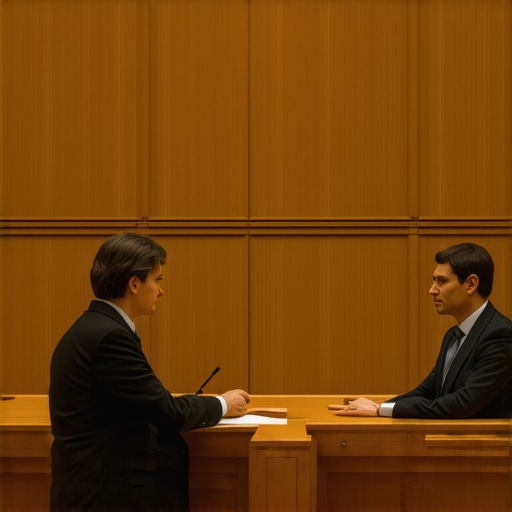
The myth of the boardroom bully
Hostile opposing counsel often utilize psychological intimidation and aggressive posturing as a mask for a weak evidentiary foundation. In family law litigation, these tactics aim to provoke an emotional response that leads to procedural errors during legal consultations or deposition testimony. Recognizing the theater of aggression is the first step toward strategic neutralization.
I watched a client lose their entire claim in the first ten minutes of a deposition because they ignored one simple rule about silence. The opposing counsel was a loud man who smelled of stale cigarettes and cheap cologne, a stark contrast to the ozone and mint sharpness I bring to a room. He leaned in, inches from my client’s face, and shouted a question about their tax returns. My client, terrified and wanting to explain, kept talking long after the question was answered. They filled the silence with justifications. In those five minutes of rambling, they admitted to a secondary bank account they had ‘forgotten’ to disclose. The case was over. The claim was dead. Aggression won because the client failed to understand that silence is a shield, not a vacuum that needs filling.
When silence becomes a tactical asset
Strategic silence in the face of legal aggression serves as a powerful litigation tool that forces the opposing party to overextend their procedural position. By refusing to engage with theatrical outbursts, a litigator maintains control over the record and prevents the introduction of prejudicial testimony. This approach requires disciplined legal services and constant client consultation.
The air in a high-stakes meeting often feels charged, almost electric. I keep my movements precise. I keep my voice low. When the lawyer across the table starts pounding their fist, I wait. I count to five. The silence in the room becomes heavy. It is a weapon. The bully expects a fight. When they get a blank stare and a calm request for the next exhibit, their adrenaline spikes then crashes. They begin to make mistakes. They miss deadlines. They forget to file a response to a motion because they are too busy drafting an angry email. I let them burn their client’s retainer on theater while I focus on the forensic accounting. The strategic play is often the delayed demand letter to let the defendant’s insurance clock run out. While most lawyers tell you to sue immediately, we let the pressure of their own internal costs do the heavy lifting.
“Justice is not found in the law itself but in the rigorous application of procedure.” – Common Law Maxim
[image_placeholder_1]
Procedural safeguards against theatrical misconduct
Professional misconduct disguised as zealous advocacy can be addressed through Rule 3.4 of the Model Rules of Professional Conduct, which governs fairness to opposing party and counsel. Effective litigation strategies involve filing motions for sanctions when aggressive behavior crosses into harassment or procedural bad faith. Identifying these statutory violations is a core component of advanced legal services.
Consider the ‘speaking objection’ during a deposition. It is a classic move by a lawyer who is losing. They do not just say ‘Objection, form.’ They give a three minute speech intended to coach their witness. This is a violation of the rules of civil procedure. I do not argue with them. I let them finish their speech. Then, I ask the court reporter to read the speech back. I ask the lawyer if they are finished. Then I ask the question again. If it happens three times, I terminate the deposition and move for a protective order. I zoom in on the specific wording of the local court rules. Most lawyers have not read the local rules in a decade. I know the exact page and paragraph. I cite it from memory. The courtroom is territory. You hold it by knowing the map better than the enemy. This is the microscopic reality of litigation. It is not about who is right; it is about who follows the rules until the other person trips.
The anatomy of a weaponized deposition
Weaponized depositions are characterized by rapid-fire questioning and hostile interrogation techniques designed to create transcript inconsistencies. Protecting a client during this process requires pre-deposition coaching and a deep understanding of evidentiary objections. In family law, where emotions are volatile, maintaining procedural decorum is vital for a successful outcome.
Deposition rooms are small. The heat rises. You can smell the fear in the room. I counter this with a cold, clinical detachment. I tell my clients that the lawyer across from them is a piece of furniture. You do not argue with a chair. You do not try to convince a desk of your side of the story. You provide the minimum required information. ‘Yes.’ ‘No.’ ‘I do not recall.’ These are the most powerful words in the English language when under oath. Aggressive lawyers hate these words. They want you to narrate your life. They want the story. We give them data. We give them dates. We give them nothing that can be used as a hook for a cross-examination. I once spent fourteen hours deconstructing a contract that was designed to be unreadable, only to find the one clause that changed everything. The aggressive lawyer had missed it because they were too busy being a performer. Performance is for the theater. Results are for the courtroom.
Why the loudest lawyer loses the jury
Jury perception often shifts against overly aggressive attorneys, as jurors tend to identify with professionalism and composure. In complex litigation, the credibility of the legal team is a significant intangible asset that influences the final verdict or settlement value. High-level legal services prioritize composed advocacy over empty aggression.
Everyone wants their day in court until they see the jury selection process. It is not about truth. It is about perception. A jury looks at an aggressive lawyer and sees a bully. They look at a calm lawyer and see a guide. I speak in the language of evidence. I show, I do not tell. If the opposing counsel is shouting, I move closer to the jury box and lower my voice. They have to lean in to hear me. Now I have their attention. I have their trust. The loud lawyer is a distraction. I am the signal. In family law, this is even more pronounced. If a lawyer is screaming about custody, they look unhinged. If I am presenting a spreadsheet of the child’s school attendance and extracurricular activities, I look like the adult in the room. The judge notices. The clerk notices. The record reflects the truth, not the volume.
“A lawyer should use the law’s procedures only for legitimate purposes and not to harass or intimidate others.” – ABA Model Rules of Professional Conduct, Preamble
Leveraging the rules of professional conduct
Ethical frameworks provided by the American Bar Association offer a procedural roadmap for handling unprofessional conduct. Utilizing Rule 4.4, which prohibits legal tactics that have no substantial purpose other than to embarrass or burden a third person, allows a litigant to seek judicial intervention against hostile counsel. This is a foundational element of strategic consultation.
Litigation is high-stakes chess. Every move must have a purpose. If a lawyer sends a thousand-page discovery dump on a Friday afternoon, it is a move. It is a move designed to ruin your weekend and force a mistake. My response is not a phone call to complain. My response is a motion for an extension and a request for a discovery master to oversee the case. I use their aggression against them. I turn their ‘power move’ into a reason for a judge to look at their behavior. I do not get angry. I get even via the clerk’s office. I smell the ozone of a coming storm and I prepare the lightning rod. Procedural mapping reveals that the most aggressive lawyers are usually the most disorganized. They rely on fear because they lack the discipline to do the work. We do the work. We cite the cases. We win the war of attrition.
The endgame of aggressive legal services
The resolution of a case involves calculated negotiation and the application of leverage gained through diligent litigation. Handling aggressive lawyers requires a long-term perspective where professionalism and procedural mastery eventually exhaust the opposing party’s resources. Seeking expert legal services is the best defense against hostile tactics.
At the end of a case, the aggressive lawyer is usually tired. Their client is broke. The theater has failed. They come to the settlement conference with their head down. They want a deal. This is when I am at my most dangerous. I do not gloat. I do not mention their previous behavior. I simply lay out the facts on the table like a surgeon’s tools. The ADR is high. The risk of trial is higher for them. I offer a path out. I offer a settlement that is fair for my client and painful for theirs. They take it because they have no other moves left. The courtroom is not a place for ego. It is a place for the ROI of litigation. We manage the bleed. We protect the asset. We finish the job with the same clinical precision with which we started. The aggressive lawyer goes home to find another victim. I go home and prepare for the next chess match.