
The mistake that turns a simple divorce into a 5-year war
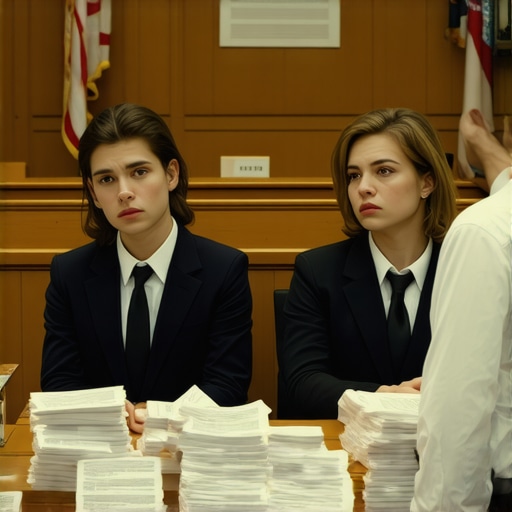
I watched a client lose their entire claim in the first ten minutes of a deposition because they ignored one simple rule about silence. We were sitting in a sterile conference room that smelled of ozone and peppermint, the kind of room where fortunes are dismantled. My client, a high-net-worth individual with everything to lose, felt the need to fill a ten-second gap in questioning. In those ten seconds, they volunteered information about a shell company in the Caymans that hadn’t even been the subject of the inquiry. That single moment of verbal diarrhea transformed a standard asset division into a five-year forensic nightmare. In the world of high-stakes litigation, silence is not just golden; it is a strategic bunker. When you speak out of turn, you are not being helpful. You are providing the opposition with the rope they need to hang your financial future. This is the reality of family law that your neighborhood practitioner will not tell you. They want the billable hours. I want the win. To win, you must understand that the courtroom is not a place for truth. It is a place for evidence and the cold, hard application of procedure.
[“image_placeholder_1”]
The hidden cost of the scorched earth policy
A scorched earth policy in family law involves aggressive litigation tactics designed to bankrupt or emotionally exhaust the opposing party through constant motions. This strategy often backfires because judges see through the transparency of the aggression, leading to sanctions or unfavorable rulings on discretionary matters. When you decide to fight over every stick of furniture, you are not showing strength. You are showing the court that you lack the capacity for rational settlement. I have seen estates worth millions liquidated to pay for the very experts hired to protect them. The meter never stops running. Every email your lawyer sends, every phone call to your ex-spouse’s counsel, and every minute spent in a waiting room is a withdrawal from your children’s inheritance. The tactical play is not to scream the loudest. The tactical play is to be the most prepared person in the room while letting the other side exhaust their resources on meaningless skirmishes.
“Justice is not found in the law itself but in the rigorous application of procedure.” – Common Law Maxim
The secret drain in your legal budget
The discovery process is the most expensive phase of litigation because it requires the meticulous review and production of thousands of financial documents. If you fail to organize your records before the first demand letter arrives, you are essentially paying a senior associate three hundred dollars an hour to be a filing clerk. Litigation is a game of logistics. If your tax returns, bank statements, and property deeds are a mess, your case is a mess. The defense will use your lack of organization against you. They will file motions to compel. They will ask for attorney fees because of your delays. They will paint you as a non-compliant witness. In my experience, the person with the cleaner spreadsheet usually walks away with the better settlement. We do not look for the truth in your testimony. We look for the truth in the ledger. If the ledger is missing pages, we assume you are hiding something. So does the judge.
How procedural delays weaponize the clock
Weaponizing the clock in family law involves the strategic use of statutory waiting periods and motion deadlines to force a settlement. By filing a motion for summary judgment or a request for a protective order at the eleventh hour, a skilled attorney can freeze the case for months. This is often done to dry up the opponent’s cash flow. If one party has a significant income advantage, they can outlast the other simply by making the cost of continuing the fight higher than the value of the potential win. This is not about the law. This is about the physics of finance. I tell my clients that the court moves at the speed of a glacier, but the interest on your legal debt moves at the speed of light. You must be prepared for the long game. If you cannot afford to fight for five years, do not start a war that requires it. The strategic move is often the delayed demand letter. It lets the defendant’s insurance clock or their personal patience run out before you even step into the courthouse.
“The conduct of a lawyer should be characterized at all times by personal courtesy and professional integrity.” – ABA Model Rules of Professional Conduct
The reality of the final verdict
The final verdict in a long-term litigation case is rarely a total victory for either side because the court seeks equity. Judges are not there to punish your spouse for being a bad partner; they are there to divide a pie that has already been half-eaten by the litigation process itself. People walk into my office wanting blood. They walk out of the courtroom five years later wondering why they spent half their net worth to get a result they could have negotiated in a weekend. The mistake is thinking the court cares about your feelings. The court cares about the statute. If the statute says fifty-fifty, you are getting fifty-fifty, minus the massive fees you paid to try and get sixty. The true wins happen in the conference room, not the trial. A trial is a failure of negotiation. It is a surrender of your power to a stranger in a black robe who has sixty other cases on their desk and wants to go home for lunch. If you want control, you settle. If you want a gamble, you go to verdict. Just know that the house always wins.
What the defense does not want you to ask
Questioning the underlying valuation of marital assets often reveals discrepancies that can lead to a more favorable settlement for the non-earning spouse. Most people accept the first appraisal they see. A seasoned trial lawyer knows that every appraiser has a bias. We look at the methodology. We look at the comparable sales. We look at the date the valuation was performed. If the market shifted three percent in the last six months and your lawyer didn’t catch it, you just lost thirty thousand dollars. This is the microscopic reality of the law. It is not about the big speeches. It is about the math in the footnotes of an exhibit that nobody else bothered to read. We find the ghost in the settlement conference by looking where the other side is trying to distract us. If they are screaming about the dog, they are hiding the 401k. It is a classic move. It works on the amateurs, but it does not work on us.