
Why your character witnesses are actually hurting your case
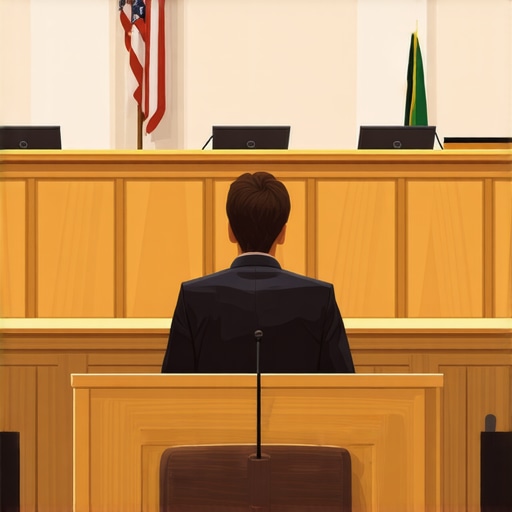
I smell like strong black coffee and the cold reality of a courtroom. Your family law case is currently failing because you believe the judge cares if your neighbors think you are a nice person. They do not. In twenty five years of trial work, I have seen more cases dismantled by well-meaning friends than by opposing counsel. Character witnesses are the ticking time bombs of litigation. They are untrained, emotionally compromised, and legally vulnerable. If you are preparing for a deposition or a hearing, you need to understand that your best friend is the defense attorney’s best asset.
I watched a client lose their entire claim in the first ten minutes of a deposition because they ignored one simple rule about silence. We had a character witness, a lifelong friend, who was supposed to testify to my client’s integrity. Under cross-examination, the opposing counsel asked one question about a minor incident five years prior. Instead of remaining silent or giving a brief answer, the witness panicked and tried to explain it away. That explanation opened a door to a whole line of questioning about the client’s past that was previously inadmissible. The case died right there on the record. Silence is a weapon, but your friends do not know how to use it.
The truth about character evidence in the courtroom
Character witnesses in family law litigation often provide negligible value while creating substantial liability for the petitioner. Judges in domestic relations courts prioritize admissible evidence over subjective opinions regarding a parent’s personality or general kindness. These witnesses frequently open the door to damaging rebuttal evidence. The legal reality is that a character witness is a liability shield that has already been cracked. When you bring someone into the box to say you are a good person, you are legally inviting the opposition to prove you are a monster. This is the tactical error of the amateur.
“Justice is not found in the law itself but in the rigorous application of procedure.” – Common Law Maxim
Why your best friend is a cross examination nightmare
Cross examination of a friendly witness is the easiest way for an attorney to introduce negative facts that would otherwise be excluded. A character witness is often unaware of the Rules of Evidence, specifically regarding prior bad acts. This lack of training makes them vulnerable to manipulative questioning. They want to help you, so they talk too much. They want to defend you, so they become combative. A combative witness is a gift to the opposition. They look like they are hiding something even when they are telling the truth. The court views their testimony as biased and largely irrelevant to the material facts of the case.
Rules of evidence that weaponize kindness
Federal Rule of Evidence 404 and its state equivalents generally prohibit character evidence to prove a person acted in accordance with that character. In family law, this means your reputation is often legally irrelevant to the custody or asset division issues at hand. Attempting to circumvent this rule usually results in a motion to strike. If the judge allows the testimony, it is usually only after you have opened the door to your entire personal history. You are trading a small amount of praise for a massive amount of risk. The procedural zoom reveals that the phrasing of an objection here is the difference between winning a motion and losing the room.
The strategic play of the delayed demand letter
While most lawyers tell you to sue immediately, the strategic play is often the delayed demand letter to let the defendant’s insurance clock run out. In civil litigation and legal services, timing is more important than aggression. By waiting to file, you force the other side to remain in a state of uncertainty. This uncertainty creates leverage. When you finally do file, you do so with a mountain of forensic evidence, not a list of character witnesses. You want data, not opinions. You want bank statements, text logs, and school records. These are the things that win cases, not the testimony of your golf partner.
“The attorney’s first duty is to the truth of the record, not the comfort of the client.” – Bar Journal Standard
What the defense doesn’t want you to ask
Defense counsel hopes that you will rely on emotional testimony rather than material facts. They want you to fill your witness list with non-expert witnesses who can be easily discredited. When you ask about specific instances of conduct, a character witness will almost always stumble. They lack the litigation experience to handle the pressure of a hostile deposition. The defense wants a witness who is emotionally invested because that person is predictable. They will defend you until they are cornered, and then they will accidentally betray you to save their own credibility. [image_placeholder_1]
The ghost in the settlement conference
A settlement conference is where cases go to die if you have not prepared your evidence correctly. If your legal strategy relies on the credibility of witnesses who have no forensic expertise, your settlement value drops. Professional litigators look at your witness list and see targets. They do not see a defense; they see a roadmap for their own success. You need to purge your strategy of anyone who cannot survive a three hour interrogation without breaking a sweat. If they aren’t an expert, they shouldn’t be there.
How to survive a family law consultation
During your initial legal consultation, you must be honest about your character flaws. Your attorney cannot protect you from what they do not know. If you tell your legal team that you are a saint, and then your character witness admits you have a temper, you have lost the litigation. The judge will see you as a liar, and your lawyer will be caught off guard. Brutal honesty in the office leads to victories in the courtroom. Anything less is professional suicide.
The forensic psychology of the bench trial
Bench trials in family court are decided by judges who have seen every trick in the book. They are bored by character testimony and annoyed by redundant witnesses. They want to see documented proof of parental fitness or financial stability. When you parlay a neighbor’s opinion into a three hour testimony, you are wasting the court’s time. A wasted judge is an angry judge. An angry judge does not rule in your favor. You must treat the court’s time as more valuable than your own ego. Cut the fluff and stick to the statutes.
Why your contract is already broken
In litigation, if you are relying on verbal agreements backed by character witnesses, your contractual claim is already dead. The Parol Evidence Rule often prevents the introduction of outside testimony to contradict a written agreement. Your friends cannot save you from a poorly drafted document. You need legal services that focus on the procedural leverage of the written word. If it is not on the page, it does not exist in the eyes of the law. Stop looking for people to vouch for you and start looking for the clauses that protect you.
Final tactical assessment of your case
Your legal strategy requires a surgical approach. Remove the character witnesses. Focus on discovery. Invest in expert testimony. If you want to win, you have to stop treating the courtroom like a social club. It is a battlefield of rules and procedures. The side that follows the statutes with the most forensic precision is the side that gets the judgment. Leave your friends at home and bring your evidence instead.