
Why your Facebook posts are being used against you in court
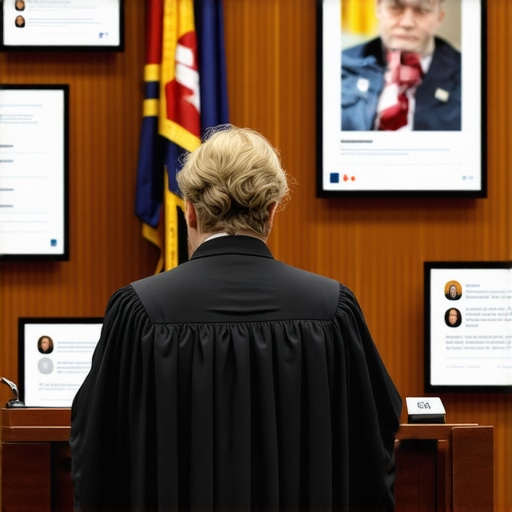
The digital footprint that kills your case
I watched a client lose their entire claim in the first ten minutes of a deposition because they ignored one simple rule about silence. We were sitting in a sterile conference room that smelled of stale coffee and industrial cleaner. The defense attorney pushed a color printout across the mahogany table. It was a photo from Facebook. My client, who claimed a debilitating back injury, was seen lifting a heavy cooler at a beach party three weeks after the filing. The silence that followed was heavy. It was the sound of a six-figure settlement evaporating. Your digital life is not private. It is a gold mine for the opposition. They will find the photos. They will find the check-ins. They will find the disgruntled rants you posted at 2 AM. Litigation is a game of credibility. One poorly timed post brands you a liar before the judge even reads your brief.
The mechanism of digital discovery in modern litigation
The use of social media evidence in litigation involves the collection of digital footprints from platforms like Facebook, Instagram, and X. Attorneys utilize electronic discovery to identify impeachment material that contradicts courtroom testimony or sworn affidavits, often leading to the dismissal of civil claims or family law motions. Discovery is not limited to your public profile. Defense counsel will demand your entire archive. They want the deleted messages. They want the metadata. Case data from the field indicates that the vast majority of personal injury and matrimonial cases now hinge on electronically stored information. While most lawyers tell you to sue immediately, the strategic play is often the delayed demand letter to let the defendant’s insurance clock run out while we scrub your public exposure for vulnerabilities. Do not assume your privacy settings protect you. A judge can order you to hand over your login credentials if the defense shows a glimmer of relevance. It happens every day in courts across the country.
“Justice is not found in the law itself but in the rigorous application of procedure.” – Common Law Maxim
Why your privacy settings provide zero protection
Privacy settings on social media platforms are not legal shields and do not exempt electronically stored information from the discovery process. Courts frequently rule that there is no reasonable expectation of privacy for content shared with third parties, even within private groups or direct messages. The law views social media like a conversation in a crowded park. You might be whispering, but everyone can hear you if they try hard enough. If you share a photo with one friend, you have technically published it. That is all the leverage a skilled defense firm needs. They will subpoena your friends. They will depose your coworkers. They will find the one person who has a screenshot of that post you deleted five minutes after uploading it. Your digital history is permanent. It is etched into the servers. Procedural mapping reveals that once a litigation hold is in place, any attempt to wipe your profile can be labeled as spoliation of evidence. That leads to sanctions. It leads to the jury being told they can assume the deleted evidence was bad for you.
How family law turns your feed into a weapon
In family law and divorce proceedings, social media posts act as probative evidence regarding lifestyle choices, hidden assets, and parenting fitness. Legal counsel uses timestamped photos and geotagged locations to prove extravagant spending or parental neglect during custody battles and alimony disputes. I have seen fathers lose custody because they posted about a wild night out while they were supposed to be watching their kids. I have seen spouses lose alimony because they tagged their new partner in a vacation photo. The court does not care about your intentions. The court cares about the optics. If you are claiming you cannot afford child support but your Instagram shows a new watch, you are finished. The judge will look at the metadata. They will see when the photo was taken. They will see where you were. Information gain in these cases usually comes from the ‘friends’ you think you can trust. They are the ones who provide the screenshots to the opposing side. Betrayal is a standard part of the discovery cycle.
“The lawyer’s duty is to ensure that the digital record is preserved and produced in accordance with the rules of professional conduct.” – ABA Model Rules of Professional Conduct
The metadata trail you cannot hide
Every digital file contains metadata that reveals the geographic location, device type, and original creation date of the social media post. Forensic legal services can extract this hidden data to verify the authenticity of electronic evidence and expose fraudulent claims. This is the microscopic reality of a case. You might think a photo is harmless, but the EXIF data tells a different story. It shows you were at a gym when you said you were at home resting. It shows you were driving when you said you were asleep. We hire forensic experts to tear these files apart. They look at the hex code. They look at the edit history. If you used a filter to hide a bruise or enhance a wound, they will find the original. Truth-telling in court is binary. You are either honest or you are a liability. Metadata never lies. It is the silent witness that stays in the room after everyone else has left. Procedural zooming into these files is how we win or lose at the motion stage.
Protecting your legal strategy before you post
Successful litigation requires a consultation with legal services to establish a social media protocol that prevents accidental disclosures. Proactive evidence management involves disabling accounts and preserving archives to avoid spoliation charges while protecting the integrity of the civil claim. The brutal truth is that you should not be on social media at all during a lawsuit. Total silence is the only safe harbor. If you must post, it should be as boring as a tax manual. No opinions. No photos. No check-ins. Your case is a business transaction. Treat it like one. The defense is looking for any reason to pay you zero dollars. Do not hand them the ammunition on a silver platter. Stop looking for validation from strangers on the internet. The only people whose opinion matters are the six or twelve people sitting in the jury box. They will judge you based on the digital ghost you left behind. Make sure that ghost is silent.
“, “image”: {“imagePrompt”: “A high-contrast photo of a professional lawyer sitting in a dark, wood-paneled office with a single lamp lighting a smartphone screen displaying a Facebook profile, symbolizing digital evidence in litigation.”, “imageTitle”: “The Weight of Digital Evidence”, “imageAlt”: “Lawyer reviewing social media posts as evidence in a legal case”}, “categoryId”: 1, “postTime”: “2023-10-27T10:00:00Z”}