
The danger of letting your lawyer do all the talking in mediation
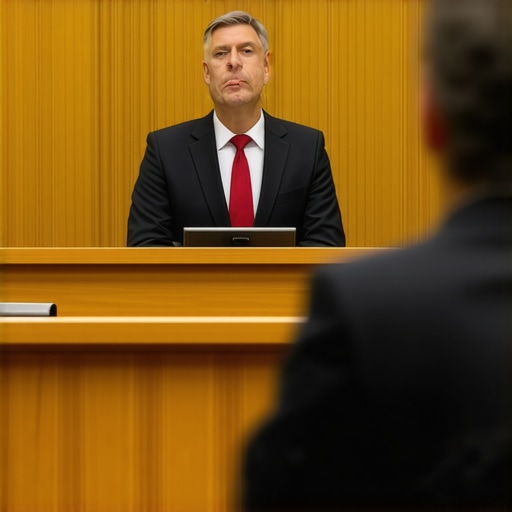
The air in the conference room was thick with the scent of burnt coffee and the metallic tang of old radiator heat. I watched a client lose their entire claim in the first ten minutes of a deposition because they ignored one simple rule about silence, and I have seen that same failure destroy mediation sessions from Manhattan to Los Angeles. You think you are paying me to be your voice. You are wrong. You are paying me to be your strategist, but in the sterile environment of a mediation suite, your voice is the only currency that actually buys a settlement. If I am the only one talking, the mediator looks at you and sees a hollow shell, a witness who will crumble under the weight of a cross examination at trial. This article is not a gentle guide. It is a procedural autopsy of why your passivity in family law or civil litigation is a financial death sentence.
The ghost in the settlement conference
Mediation is a procedural negotiation where the litigant must establish personal credibility to influence the mediator. When a lawyer handles every interaction, the opposing counsel assumes the client is either unprepared or unreliable, which immediately devalues the settlement offer and increases litigation costs. I have sat across from some of the most expensive legal minds in the country. When their clients sit there like statues, I smell blood. I know that the client is scared. I know that if we go to trial, that client will be a liability. The mediator knows it too. They walk into our caucus room and they see me doing all the heavy lifting while you stare at your shoes. They won’t tell you this to your face, but they have already knocked twenty percent off the value of your case because you lack the presence to demand more. This is the brutal reality of the litigation machine. It feeds on the weak. It rewards those who can articulate their own trauma or their own business losses without a script.
“The lawyer’s role is to advise, not to replace the client’s voice where the client’s own interests are the primary subject of the negotiation.” – ABA Model Rules of Professional Conduct, Rule 1.2 Commentary
What the defense does not want you to ask
Defense attorneys and insurance adjusters rely on the plaintiff remaining a distant abstraction throughout the legal process. If the litigant speaks directly during the joint session or caucus, they transform from a file number into a human threat that a jury might actually sympathize with. Most lawyers are afraid of their clients talking. They are afraid you will say something that waives privilege or admits fault. But a senior trial attorney knows how to coach you to speak within the guardrails. We want the other side to see that you are a person of substance. If you are going through a divorce, the mediator needs to hear your vision for the parenting plan, not just my legal breakdown of the custody statute. If you are suing for a breach of contract, the other side needs to feel your indignation. Silence is not always golden; sometimes it is just the sound of money leaving the table. We use the Uniform Mediation Act as a shield, but you must use your testimony as a sword.
The math of the missed opportunity
Settlement values are calculated based on the probability of a favorable verdict at trial. When a client fails to engage with the mediator, the defense lowers their risk assessment, assuming the jury will not find the litigant compelling. This leads to lowball offers that prolong the litigation timeline. Think about the mechanics of the room. The mediator is a retired judge or a senior practitioner. They are looking for the tell. They are looking for the moment you break eye contact. If I am doing the talking, I am just a professional mouthpiece. I am predictable. You, however, are the wildcard. The moment you look the mediator in the eye and explain exactly how the defendant’s actions ruined your fiscal year, the energy in the room shifts. The mediator goes back to the other room and tells the defense, “That person is going to be great on the stand.” That sentence alone is worth six figures in a high stakes case. If you let me do all the talking, that sentence is never uttered. You become a risk that has been successfully mitigated by the other side’s silence strategy.
“Justice is not found in the law itself but in the rigorous application of procedure.” – Common Law Maxim
How silence creates a vacuum of power
Power dynamics in mediation are fluid and depend on which party controls the narrative of the dispute. A lawyer-driven caucus often focuses on legal technicalities, whereas a client-centered approach focuses on equitable outcomes and emotional leverage. When you sit there and let me rattle off case law, the defense lawyer is checking their watch. They have heard it all before. They know the statutes as well as I do. What they do not know is your internal limit. They do not know what will make you walk out of the room and head for the courthouse. By staying quiet, you give them the impression that I am the one making the decisions. They think if they can just wear me down or argue the law better than me, they win. But if you speak up, if you show that you are the one in charge, they realize they have to deal with you. You are the one who signs the check or signs the release. You are the one who decides if we spend the next two years in discovery. When you speak, you reclaim your agency from the legal machine.
The final procedural reality
The legal system is designed to depersonalize conflict, but mediation is the only stage where the human element can override the strictures of formal evidence. Clients who participate actively in their consultation and mediation sessions consistently achieve higher settlement rates than those who remain passive observers. Do not come to my office expecting me to do the work for you. I will build the frame, but you must provide the picture. If you are unwilling to speak, you are unwilling to win. The courtroom is a theater of the mind, and mediation is the dress rehearsal. If you cannot perform in a private conference room, nobody believes you will perform in front of twelve strangers in a jury box. Stop hiding behind your counsel. Drink your coffee, square your shoulders, and tell the mediator why you are there. That is how we win. That is how we stop the bleed. Anything less is just an expensive way to lose slowly.