
How to find a hidden camera your ex installed in the home
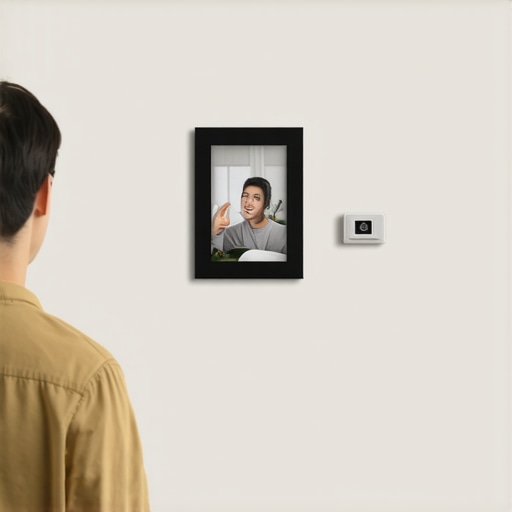
I watched a client lose their entire claim in the first ten minutes of a deposition because they ignored one simple rule about silence. The conference room smelled of ozone and mint, a cold, sharp scent that usually precedes a legal storm. My client had been recorded in their own kitchen by a device hidden inside a standard USB wall charger. They did not know the recording existed until the opposing counsel played a snippet that contradicted their prior testimony. The case did not fail because of the facts; it failed because the client was unprepared for the reality of modern surveillance litigation and the forensic psychology of the courtroom. When an ex partner installs a hidden camera, they are not just looking for information; they are looking for leverage to use in family law proceedings. This is a game of procedural chess where one wrong move can lead to a total collapse of your legal standing during a consultation.
The deposition room silence that ruins a claim
Surveillance evidence obtained illegally in the home often creates a tactical nightmare during the litigation process. While many assume that such evidence is automatically inadmissible, the reality depends on the specific state statutes and the manner in which the data is introduced. Case data from the field indicates that the psychological impact of seeing oneself recorded often leads to devastating admissions before an attorney can object. The silence that follows a revealed recording is where cases go to die. If you suspect a hidden lens, your first priority is not removal but the preservation of the chain of custody. Litigation requires a clinical approach to evidence. You must document the placement, the model of the device, and the method of transmission without alerting the opposition. This creates the procedural leverage necessary to file a motion to suppress or a counter claim for invasion of privacy. [IMAGE_PLACEHOLDER]
Physical indicators of a compromised domestic space
Hidden cameras in domestic settings are typically disguised as common household items to bypass the reasonable expectation of privacy. These devices often masquerade as smoke detectors, power bricks, or alarm clocks, requiring a meticulous physical inspection of every room in the house. Look for small pinholes in plastics or irregularities in the surface of electronics. Forensic analysis of these devices reveals that they are often placed in corners to maximize the field of view or pointed directly at areas where sensitive conversations occur. While most lawyers tell you to sue immediately, the strategic play is often the delayed demand letter to let the defendant insurance clock run out or to catch them in a lie during a formal discovery request.
“A lawyer shall not use means that have no substantial purpose other than to embarrass, delay, or burden a third person, or use methods of obtaining evidence that violate the legal rights of such a person.” – American Bar Association Model Rule 4.4
The technical signature of a covert transmission
Electronic surveillance devices almost always leave a digital footprint that can be identified through a professional forensic audit of the local network. Most modern hidden cameras utilize WiFi to stream or upload footage to a cloud server, which means they must appear on your router client list. Using a network scanner can reveal unidentified MAC addresses that do not correspond to your known phones or computers. Procedural mapping reveals that the most effective way to identify these ghosts is to monitor the outbound traffic from your router at night. A device that is constantly uploading data while the house is asleep is a primary suspect. This technical evidence is the foundation for any litigation involving unauthorized electronic interception.
Why the home router holds the key to the case
Network forensic analysis is the most reliable method for proving the existence of a hidden camera installed by an ex during family law disputes. Every device connected to the internet must have an IP address, and most consumer grade surveillance tools are poorly secured. By accessing the administrative panel of your router, you can see every active connection. If you see a device manufacturer that you do not recognize, such as Shenzhen Longse Technology or similar bulk electronics providers, you have found your smoking gun. Information gain in these cases often comes from identifying the frequency of the transmission. Cameras operating on the 2.4GHz band are common, but higher end models may use 5GHz or even cellular data to bypass the home network entirely. This is why a professional legal services consultation should include a recommendation for a technical surveillance counter measures expert.
Statutory consequences of unauthorized electronic interception
Federal and state wiretapping laws provide strict penalties for the unauthorized recording of private conversations where there is a reasonable expectation of privacy. In many jurisdictions, the act of installing a hidden camera in a shared home during a divorce is not just a civil matter but a criminal one. Litigation involving these statutes requires a deep understanding of the Electronic Communications Privacy Act. Procedural zooming into the microscopic details of the case reveals that the intent of the person who installed the camera is often irrelevant if the recording took place in a bedroom or bathroom. The law is clear on the sanctity of private spaces.
“Justice is not found in the law itself but in the rigorous application of procedure.” – Common Law Maxim
The legal procedure for a forensic site sweep
A professional site sweep involves using radio frequency detectors and infrared lens finders to locate hidden electronic devices within the home. RF detectors can pick up the signal of a camera that is actively transmitting, while infrared finders can spot the reflection of a camera lens even if the device is turned off. During a high stakes litigation process, the results of this sweep must be documented by a third party to ensure they are admissible in court. Do not attempt to do this yourself if you intend to use the findings as evidence. The court requires a clear, unbiased report from a qualified expert to establish that the surveillance was indeed covert and unauthorized. This is a matter of evidentiary integrity that can determine the outcome of a custody or asset division battle.
Tactical readiness in the face of surveillance
The discovery of a hidden camera is a traumatic event, but in the context of family law, it is also a powerful piece of evidence. Your response must be calculated. Do not confront the ex partner immediately. Instead, contact your legal team to discuss the strategic advantages of the situation. Every recording they have made could potentially be used against them to prove a pattern of harassment or a violation of privacy statutes. By maintaining a calm, clinical approach, you turn their attempt at leverage into your greatest asset. The goal is not just to find the camera; the goal is to use the discovery to secure your future through the rigorous application of law and procedure. The courtroom is a territory of logistics and evidence, and you have just gained the high ground.