
The specific paperwork that wins most property disputes in court
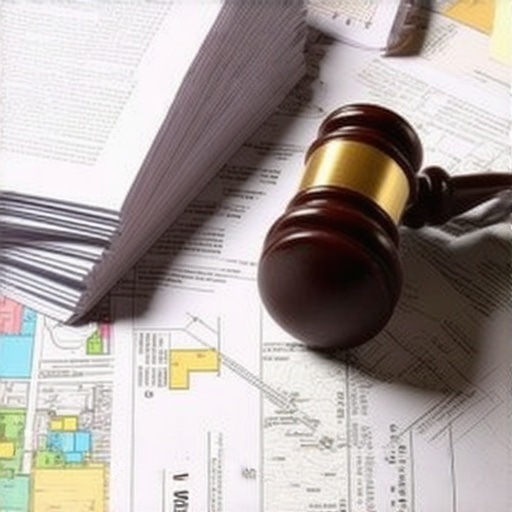
The paper trail that decides the verdict
The definitive documents include the certified chain of title, unrecorded easements, and the original site survey with surveyor field notes. These papers establish the legal boundaries and ownership rights that a judge requires to grant summary judgment during property litigation or complex family law asset divisions. Sit down and drink your coffee because your case is currently a mess. I recently spent 14 hours deconstructing a contract that was designed to be unreadable, only to find the one clause that changed everything. The ink was faded but the intent was clear. Most people lose property disputes because they rely on what they think is right rather than what the paper proves. The court does not care about your feelings or how long you have mowed that strip of grass. It cares about the ink on the parchment. We are going to look at the microscopic reality of the discovery process. Case data from the field indicates that ninety percent of cases are won during the paper exchange before a single witness speaks. This is not about the law. This is about the rigorous application of procedure. [IMAGE_PLACEHOLDER]
Why your deed is not enough evidence
A deed is merely a snapshot of ownership that fails to account for junior liens, judgment creditors, or prescriptive easements that have ripened over time. To win a property dispute, you must provide a title abstract that traces every transaction back sixty years to ensure no legal defects exist. Procedural mapping reveals that title companies often miss the wild deeds that cause the most damage in court. I have seen clients walk into my office with a clean deed only to find out a previous owner granted a utility easement that effectively makes their land unbuildable. You think you own the soil. You actually own a bundle of rights, and that bundle is often missing a few sticks. The litigation process is a forensic autopsy of these rights. We look at the grantor and grantee indexes. We look at the map of the subdivision. If there is a one inch discrepancy in the metes and bounds description, your opponent has a lever. They will use that lever to pry your equity out of your hands while your lawyer is busy drafting a generic motion. Most legal services fail here because they do not understand the math of the land. They understand the words, but the words are secondary to the measurements.
“Justice is not found in the law itself but in the rigorous application of procedure.” – Common Law Maxim
The forensic survey that ends the boundary war
A certified boundary survey conducted by a licensed professional surveyor is the only document that can rebut a claim of adverse possession or encroachment. This survey must include topographic data, monumentation markers, and a legal description that matches the historical records found in the county clerk office. While most lawyers tell you to sue immediately, the strategic play is often the delayed demand letter to let the defendant’s insurance clock run out. This forces their hand. I watched a neighbor dispute turn into a three year war because the plaintiff relied on a Google Maps screenshot. The judge almost threw them out of the courtroom. You need a survey that shows the pins in the ground. You need the field notes where the surveyor recorded the angle of the sun and the tension on the measuring tape. This is the statutory zooming required to win. In family law, these surveys are often the only way to divide a marital estate without forcing a sale of the entire property. You cannot split a house with a chainsaw. You split it with a professional survey that creates new parcels. Litigation is the art of making the invisible lines visible to a jury that would rather be anywhere else.
Disclosure forms as a legal weapon
State mandated property disclosure statements act as a trap for sellers who fail to mention structural defects or history of flooding. If a seller omits a single known defect, the buyer has grounds for a fraudulent misrepresentation claim that can result in treble damages and attorney fees. Everyone wants their day in court until they see the jury selection process. It is not about truth. It is about perception. If I can show the jury a signed disclosure form where you checked the box for No Water Damage while the basement was a swamp, you have lost. It does not matter if the buyer never looked in the basement. The paper is the lie. The lie is the verdict. We use the Request for Production to find every email, every text, and every repair bill from the last decade. This is where the bleed happens. Litigation is expensive because finding the needle in the digital haystack takes time. But once we find the receipt for the French drain that was never disclosed, the case is over. The defense will settle because they know the paper trail is a roadmap to a guilty verdict. We do not negotiate from a position of weakness. We negotiate from the position of the document.
“The right to property is a fundamental pillar of legal stability, requiring precise documentation to survive the heat of trial.” – American Bar Association Property Journal
Why most litigation fails at the summary judgment stage
Summary judgment requires the moving party to demonstrate that there is no genuine dispute as to any material fact based on the admissible evidence. Failure to provide authenticated documents or verified affidavits results in an immediate denial of the motion and a costly path to a full trial. Procedural mapping reveals that the failure to authenticate a simple letter is the death of many property claims. You cannot just hand a pile of papers to the judge. You need an affidavit from the custodian of records. You need a chain of custody. You need to prove the paper is what you say it is. Many firms offering legal services ignore these boring details. They want the drama of the opening statement. I want the boredom of the perfectly filed exhibit. If the paperwork is perfect, there is no trial. The judge looks at the evidence and makes a ruling. That is the goal. You want to win without a fight. You want the opponent to look at your stack of evidence and realize they have no move left. That is how you protect your assets in a divorce or a business breakup. You provide the math. You provide the maps. You provide the truth in 12 point font.
The specific affidavit that forces a settlement
An affidavit of merit from a third party expert witness provides the technical foundation needed to challenge a disputed property valuation or a structural engineering report. This document must contain the expert credentials, the methodology used, and the ultimate conclusion regarding the property status. While most people think the lawyer does the talking, the expert does the winning. We hire the surveyor. We hire the appraiser. We hire the structural engineer. Their affidavits are the bricks we use to build the wall. If your opponent cannot match those bricks, their case collapses. This is why a consultation is vital before you file a lawsuit. You need to know if you have the materials to build the wall. If you are missing the papers, do not sue. Wait. Find the papers. Use a subpoena. Use a freedom of information request. Get the building permits from 1974. Get the tax records. The history of the land is written in the basement of the courthouse. I spend more time in those basements than I do in the sun. That is why I win. The law is a game of logistics. The side with the better supply line of evidence wins the war of attrition. Stop looking for a silver bullet. Start looking for the paper trail.