
How to handle a deposition when the other lawyer starts yelling
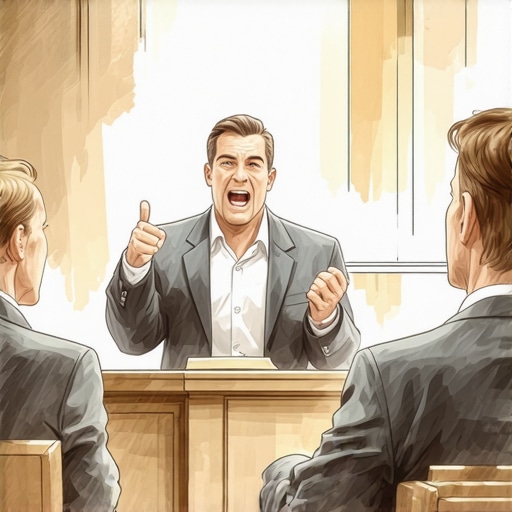
The air in a high-stakes deposition room often carries the scent of ozone and mint, a sterile combination that precedes the electrical storm of a legal confrontation. I have spent twenty-five years sitting in these windowless rooms, watching the psychological theater of litigation unfold. I once watched a client lose their entire claim in the first ten minutes of a deposition because they ignored one simple rule about silence. They felt the need to fill the void created by an aggressive attorney, and in doing so, they provided a piece of testimony that contradicted three years of discovery. In the world of senior trial strategy, we do not view a yelling opponent as a threat; we view them as a lawyer who has run out of facts. When the volume goes up, it is because the evidence has gone down. Litigation is not a shouting match, it is a surgical procedure where the loudest person in the room is usually the one bleeding out. To survive a deposition where the other lawyer starts yelling, you must understand the microscopic reality of the record and the tactical necessity of remaining an immovable object.
The predatory nature of a raised voice
The opposing counsel uses aggression as a litigation tactic to disrupt the deponent and create emotional instability that leads to harmful admissions. This hostility is rarely personal but rather a calculated maneuver designed to bypass the witness and their legal defense through psychological pressure and intimidation. It is a form of forensic theater. When a lawyer begins to shout, they are attempting to trigger your fight-or-flight response. If you fight, you become combative, which looks terrible on a video transcript. If you fly, you become timid and start over-explaining. Both outcomes are victories for the aggressor. Case data from the field indicates that the most effective response to a yelling attorney is a five-second pause. This creates a gap in the transcript that highlights the lawyer’s instability while demonstrating your absolute control. Procedural mapping reveals that the lawyer who maintains their composure controls the pace of the room. You are there to provide facts, not to participate in an emotional exchange. The goal is to remain clinical, focusing on the specific phrasing of the question rather than the decibel level at which it was delivered.
“The duty of an attorney is to represent their client zealously within the bounds of the law, but this does not include abusive behavior or harassment.” – ABA Model Rules of Professional Conduct
Why the court reporter is your only friend
The court reporter is the official record-keeper whose stenographic notes constitute the only evidence that matters for future motions or trial impeachment. Their transcript does not capture volume or tone unless a specific objection is made to describe the adversary’s conduct on the record. This is the most significant tactical advantage you have. While the other lawyer is screaming, the transcript only sees the words. If you respond calmly, the written record makes the yelling attorney look unhinged and unprofessional. I tell my clients to imagine the judge reading the transcript six months from now in a quiet chambers. The judge cannot hear the yelling; they can only see the hostile questions and your measured responses. This is where you win. You must occasionally prompt your own attorney to make a statement for the record, such as, “Let the record reflect that counsel is leaning over the table and shouting at the witness.” This transforms a sensory experience into a documented fact that can be used later in a motion for sanctions or a protective order.
The specific anatomy of a tactical objection
A legal objection during a deposition serves as a procedural barrier that protects the integrity of the record and prevents opposing counsel from badgering the witness. The attorney must use concise language as mandated by Rule 30(c)(2) to avoid speaking objections while still signaling the witness to remain cautious. Understanding the anatomy of these objections is vital. When the yelling starts, your lawyer should be citing state or federal rules of civil procedure immediately. This is not just about stopping the noise; it is about creating a paper trail of misconduct. If the lawyer is asking the same question over and over at a high volume, the objection is “asked and answered.” If they are mischaracterizing your previous testimony, the objection is “misstates the record.” These are the tools of the trade. While most lawyers tell you to sue immediately, the strategic play is often the delayed demand letter to let the defendant’s insurance clock run out, but in the deposition room, the strategic play is the immediate and precise objection. It interrupts the aggressor’s flow and reminds them that there are rules to this engagement.
How family law litigation turns into a shouting match
In family law, the emotional stakes are exceptionally high, leading to adversarial behavior that often manifests as verbal aggression during custody or asset division depositions. Litigants must rely on legal services that prioritize calmness and strategic silence to ensure that personal grievances do not derail the legal objectives of the consultation. This is the arena where the